Portfolio of agricultural, education, renewable energy and agroecology project evidence

Our projects

Evidence from assignments across development sectors.

A portfolio spanning agriculture, livelihoods, education, renewable energy, social inclusion and resilience.

Our projects

Assignments across agriculture, livelihoods, education, renewable energy, urban food systems, social inclusion and resilience.

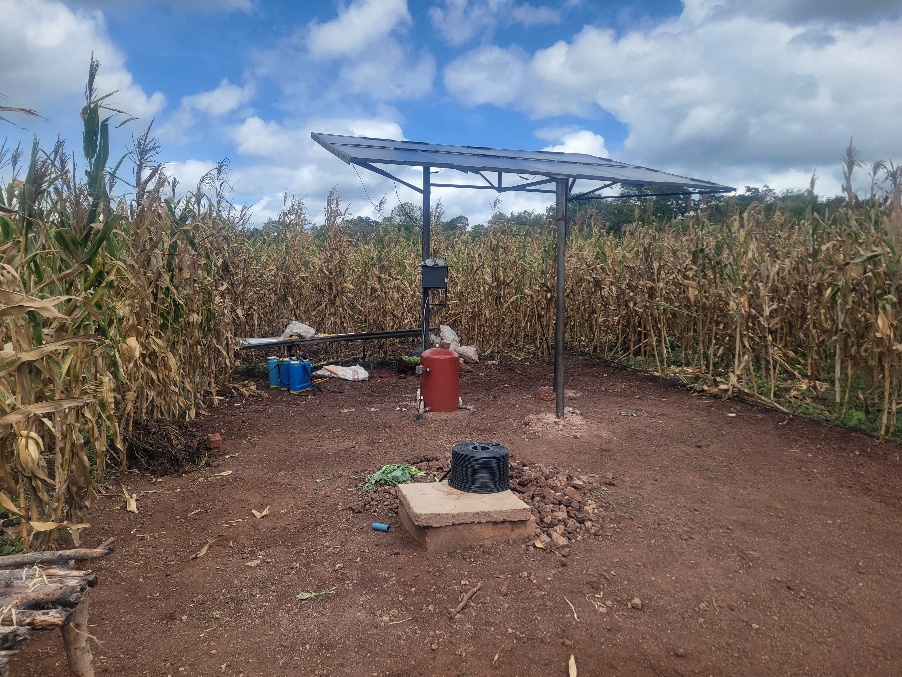
Solar-powered irrigation infrastructure in a smallholder agriculture field

1. Mid-term Review of the Smallholder Agriculture Cluster Project (SACP) implemented by IFAD in partnership with Ministry of Agriculture, Zimbabwe; May 2026.

The Smallholder Agriculture Cluster Project is a six-year agricultural development project (2021–2027) aimed at transforming the smallholder farming sector in Zimbabwe. This is jointly financed by the International Fund for Agricultural Development (IFAD), the OPEC Fund for International Development (OFID), the Government of Zimbabwe and private sector partners, and is implemented by the Ministry of Lands, Agriculture, Fisheries, Water and Rural Development (MLAFWRD) through the Project Management Unit (PMU) at National Level, Provincial Project Implementation Unit (PPIU) and District Agricultural Extension Staff. The project promotes private sector–led value chain development to increase smallholder participation in market-oriented and climate-smart agricultural systems.
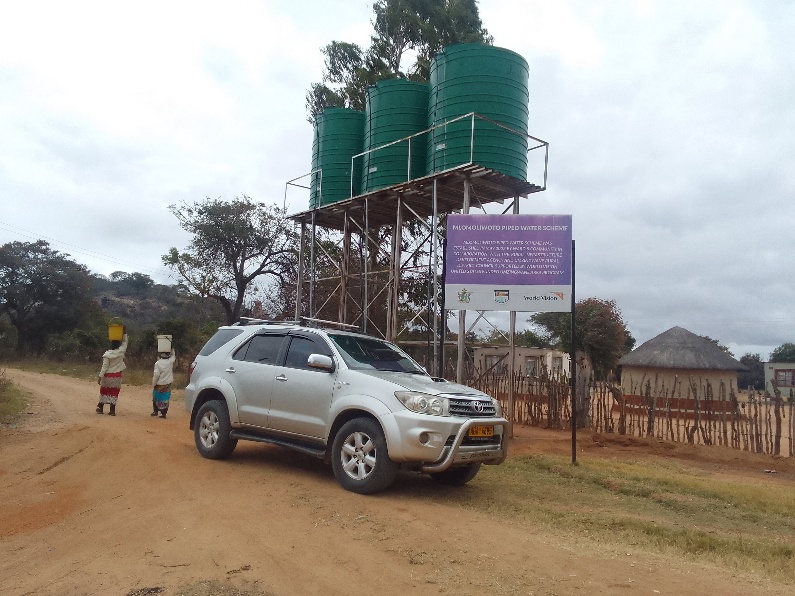
Water infrastructure site for the Umzingwane Area Program evaluation

2. Mid Term Evaluation of the Umzingwane Area Program for World Vision Zimbabwe, July 2025.

Independent evaluation of the World Vision Area Programme covering Health, Nutrition, WASH, Livelihoods, Food Security, Faith and Development, Youth Behavior change and Women Economic Empowerment.

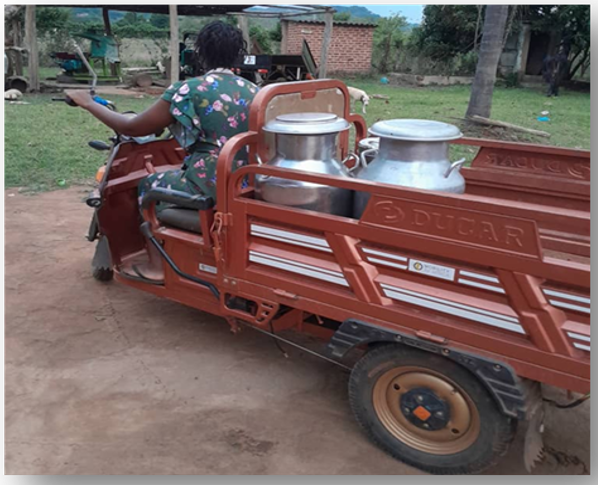
Motorised cart transporting dairy containers for a value chain project

3. Mid-term Evaluation of the Inclusive, Market-Oriented Value Chains for Economic Development Project (iMOVED) in 13 districts of Zimbabwe for WeEffect, April 2025

The project goal is to contribute to an inclusive, market-oriented value chain development of the dairy, soya and horticulture sector for sustainable livelihoods of female, male and youth smallholder farmers in 13 districts of Zimbabwe”. The project outcome is “Increased incomes of female, male and young smallholder farmers participating in the dairy, soybeans and horticulture value chains”.

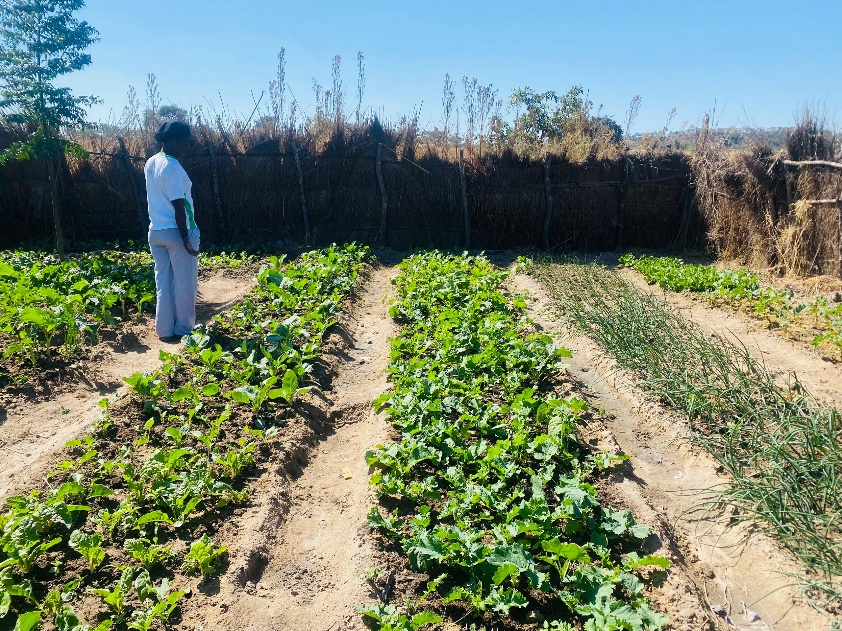
Vegetable field in a community agriculture project

4. End of Project Evaluation of the Supporting OVC in Highly Vulnerable Households in Zvimba and Bindura Districts Project, Farm Orphan Support Trust (FOST), June 2025.

The project aimed at mitigating vulnerabilities and strengthening child protection mechanisms for Orphans and Vulnerable children in 400 households through establishment of Self-Help Groups, support for kinship caregivers, establishment of low input gardens, climate smart agriculture, psychosocial support services and capacity building through training.

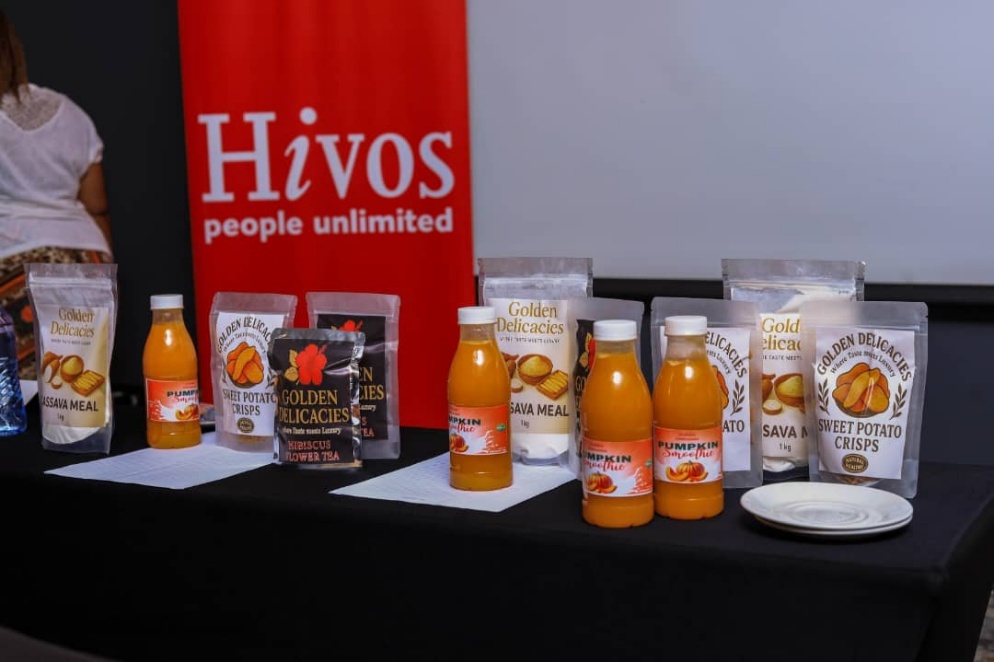
Products displayed at a Hivos event

5. Monitoring and Evaluation Services for the Urban Futures Program in Zimbabwe (Bulawayo and Mutare) and Zambia (Chongwe and Kitwe), HIVOS Sourthern Africa, May 2025- January 2026

The Urban Futures (UF) program, launched in February 2024, is a collaborative initiative between Hivos, Foundation BOTNAR, and local partners in Zambia and Zimbabwe. The program addresses climate change impacts on food security and the environment and spans from 2023 to 2027. Urban Futures is working with and through local coalition partners and aims to advance youth driven initiatives, inclusive policy advocacy and sustainable urban food systems grounded in climate justice. Its goals include Creating inclusive, climate-resilient urban areas; Shortening food value chains for accessible, sustainable, and appealing food; Focusing on the engagement of youth in decision-making and opportunities in food systems.

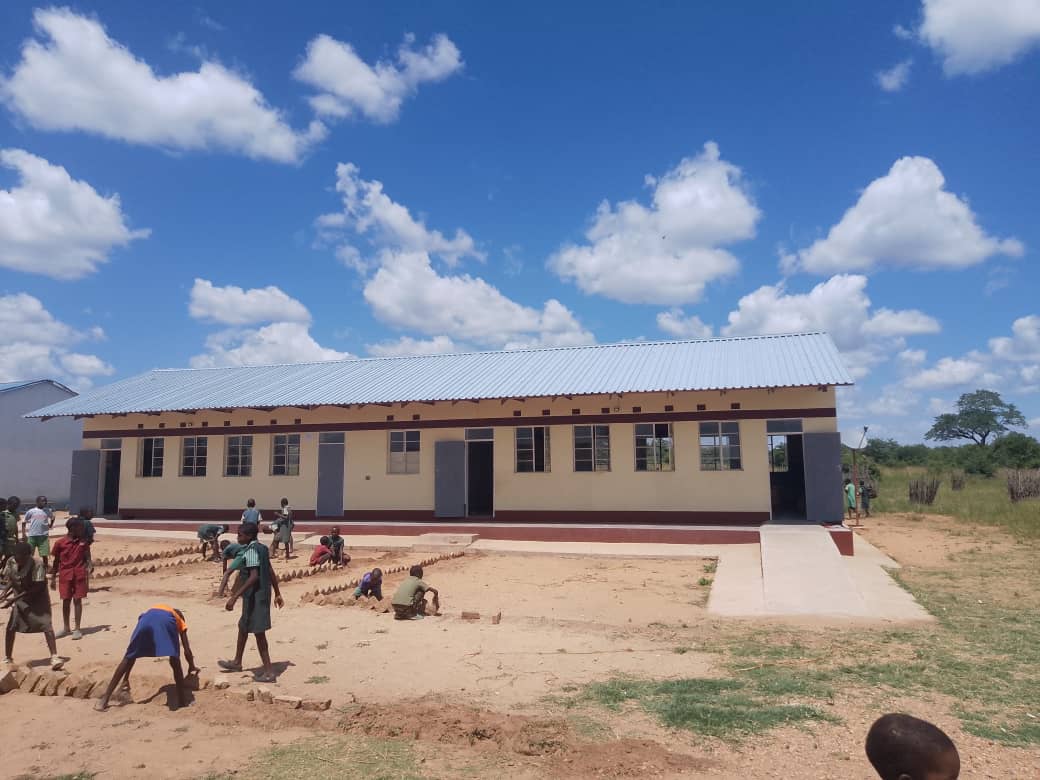
A completed school building with learners outside

6. Participatory School Development Project in Nyaminyami District, Mashonaland West Province, ADRA Zimbabwe, February 2025.

The project covers 3 primary schools with a total enrolment of approximately 1,200. The objective of this project is to contribute to improving overall education in the Asaminami area through meeting the needs of both children in and out of schools in the communities. This project has constructed 6 standard classroom blocks and 3 administration blocks, improved the capacity of School Development Committees (SDC), and increased access to education among out of school children through Non-Formal Education

Joint SDG Fund Catalytic Investment Portfolio partner logos

7. Mid-Term Evaluation of the Joint Sustainable Development Goals Fund’s - SDG Catalytic Investment (Component 2) Portfolio in Zimbabwe, UNESCO Zimbabwe Regional Office, February 2025

The Zimbabwe Renewable Energy Fund (ZimREF) is a flagship initiative designed to catalyze private sector investment in Zimbabwe’s renewable energy sector. Implemented under the Joint Sustainable Development Goals (SDG) Fund’s Catalytic Investment Portfolio (Component 2), the programme aims to address the persistent energy access gap, drive green economic growth, and promote gender and youth inclusion in the renewable energy value chain. It is strategically aligned with Zimbabwe’s National Development Strategy 1 (NDS1) and the United Nations Sustainable Development Cooperation Framework (UNSDCF) 2022–2026, contributing directly to SDGs 4, 5, 7, 8, 9, 13, and 17. At the core of the programme is the Renewable Energy Fund (REF), an innovative $17 million blended finance mechanism designed to de-risk investments and unlock private capital for renewable energy projects. Managed by Old Mutual Investment Group under the strategic oversight of the United Nations Capital Development Fund (UNCDF), the REF was structured with $8 million from the UN Joint SDG Fund, $8 million from Old Mutual, and $1 million from the Government of Zimbabwe. The programme goes beyond financing by integrating capacity-building initiatives, technical assistance for project developers, and strategic partnerships to enhance project bankability and long-term sustainability.

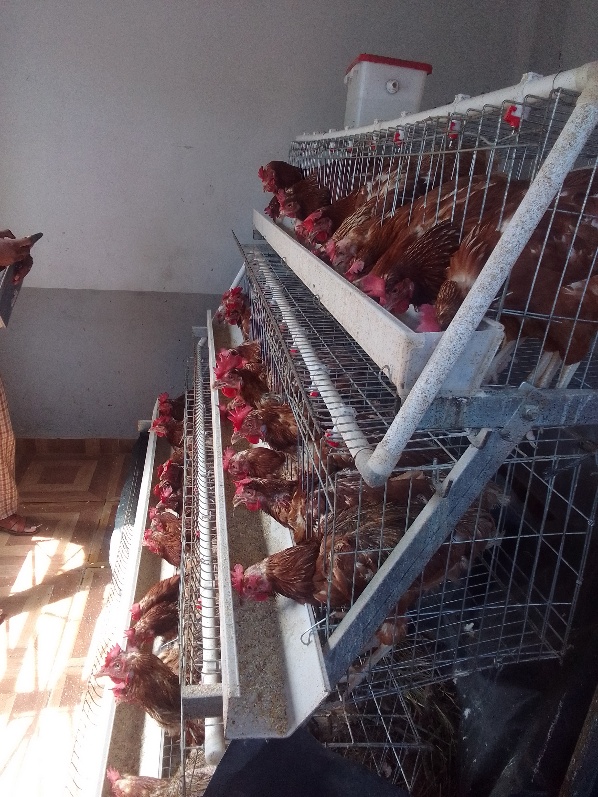
Poultry production site assessed for productive use of renewable energy

8. Productive Use of Renewable Energy Market Assessment for the Catalysing Economic Development in the Informal Sector (CEDIS) project, Mercy Corps, February 2024.

The programme aimed to improve incomes, working conditions and resilience to shocks and stresses of 30,000 vulnerable young women (70% aged 18-35) in the urban and surrounding rural areas of Bulawayo, Mutare, and Harare through sustainable informal and micro-enterprise livelihoods, with the potential for expansion after the pilot phase. The purpose of the assessment was to conduct a study into the productive use of the renewable energy sector (PURE) with the aim of understanding supply and demand dynamics. This includes evaluating the potential of the suppliers on the market, their capacities, challenges, and the demand opportunities around PURE. It also included specifically identifying and itemising the PURE appliances and technologies that are required by the targeted beneficiaries to undertake their productive activities more efficiently. Additionally, an assessment of the supply chains and business cases were done. Key programmatic recommendations based on respondents’ views, preferences and needs on CEDIS programme were also documented. Key issues in this assessment are to collect data from key stakeholders (women informal traders, processors, and suppliers etc) to understand processing activities and their needs for renewable energy and the financial viability of electrification for both the micro-entrepreneurs.

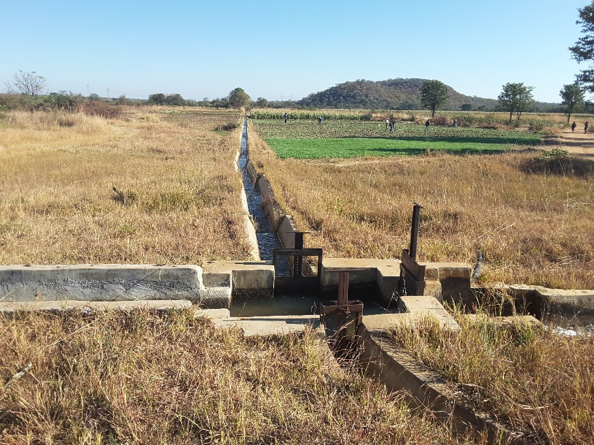
Irrigation canal and field infrastructure for the SIRP endline survey

9. Grant Project Completion Report (End Line Survey) Consultancy- Smallholder Irrigation Revitalization Programme (SIRP), Smallholder Irrigation Revitalisation Program, Program Coordination Unit with funding from IFAD, OFID and the Government of Zimbabwe, May 2024

The evaluation aimed to assess the performance of the programme based on the defined goals, objectives and outcome indicators in the approved logical framework including assessing the attribution of such performances to the programme interventions at completion.

To assess adoption of various technologies, techniques, practices and approaches demonstrated by the programme including examining such factors influencing the adoption levels and providing appropriate recommendations for improvements where necessary.

To assess the functionality, operation and maintenance of various infrastructures established by the programme and their effect on the beneficiary communities.

To measure the impact of the programme interventions on the income, food security and resilience of supported beneficiaries.

To assess sustainability of the programme interventions and provide recommendations.

The study covered six provinces which are Manicaland, Midlands, Masvingo, Matabeleland South, Matabeleland North, Mashonaland West

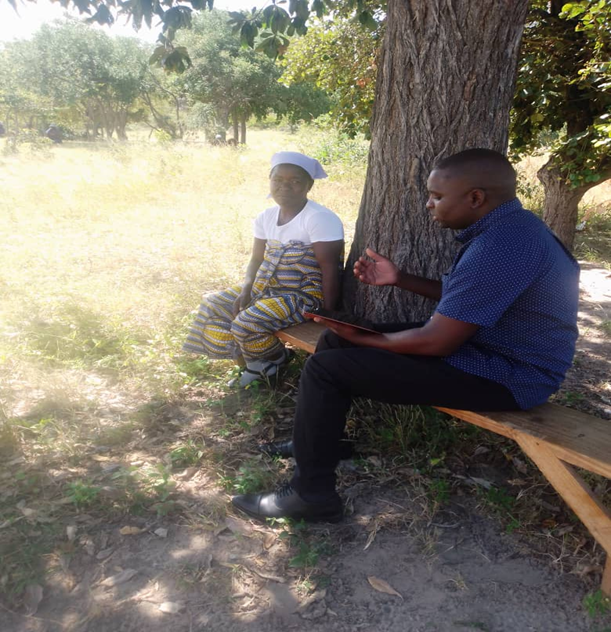
Interview with a woman farmer during a natural resources baseline survey

10. Baseline Survey to restore, protect and conserve natural resources and improve the productivity of women farmers' living in rural communities, Zimbabwe Women Bureau, March 2024

The proposed project’s goal was to support increased capacity, agency and resilience of smallholder women farmers in Mutoko district to cope with the social justice and climate change challenges that they face. To achieve this the project has 3 specific objectives.

  • Increased knowledge in Climate Smart Agriculture for women in Mutoko District
  • Improved alternative livelihoods and energy sources for women in Mutoko District.
  • Amplified women’s voices for women in climate change, land rights and energy discourse in Mutoko District
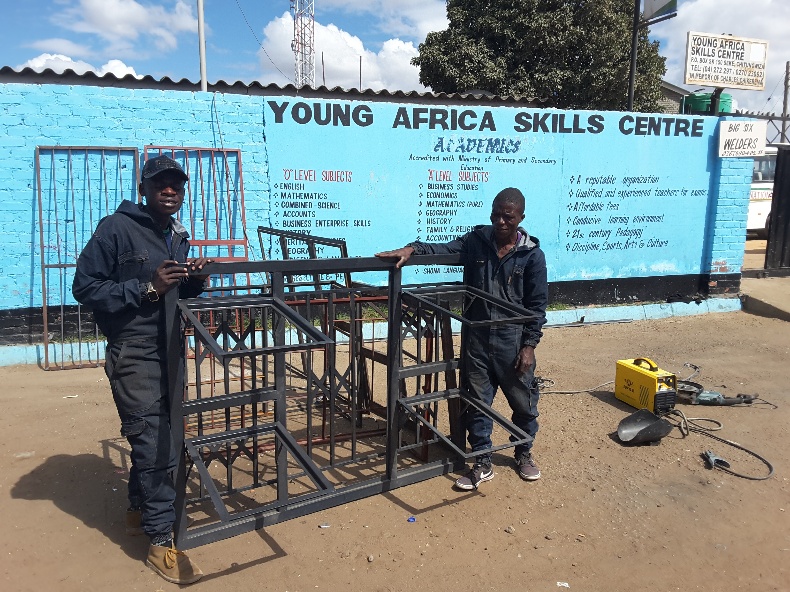
Young Africa Skills Centre training space

11. External Evaluation of the SERVE -Young Africa Skills for Youth Resilience Programme (SYRP) September 2021 – August 2024, SERVE Ireland in partnership with Young Africa.

The SYRP focused on the provision of holistic and effective Technical Vocational Education and Training (TVET) to a total of 4,920 marginalised young people over three years.

The Project Goal is for young people to have stronger economic resilience, that is, to have more financial and personal capacity to minimize the impact of shocks to their wellbeing and being able to recover from these shocks.

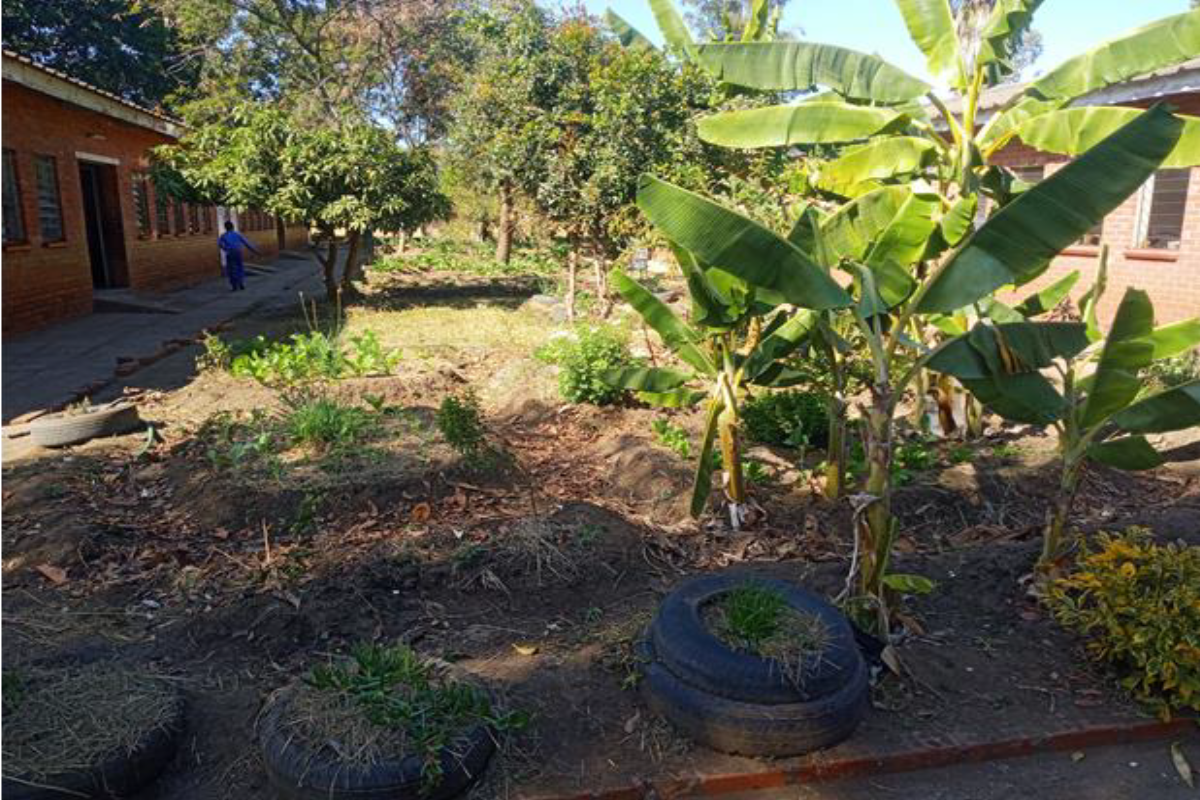
School nutrition garden and agroecology demonstration site

12. End of project evaluation; Green Schools for nutrition enhancement, SCOPE Zimbabwe, July 2022.

The Green Schools for Nutrition Enhancement project was a three-year project implemented in 5 selected districts of Shurugwi, Gweru, Bulawayo, Harare and Lupane during the period 01September 2019 – 31 August 2022. The project builds upon an existing initiative on Integrated Land Use Design (ILUD) which was introduced in November 2015 by SCOPE Zimbabwe. The project aims at improving the technical capacity of schools to become excellent centres of learning and advocacy for communities to adapt to the effects of climate change, land use management and improve food and nutrition diversification and Income sources. Its broad goal is to contribute to Improved sustainable land use designs and food production systems(agro ecology) for 18 school communities targeting 10688 learners in Zimbabwe.

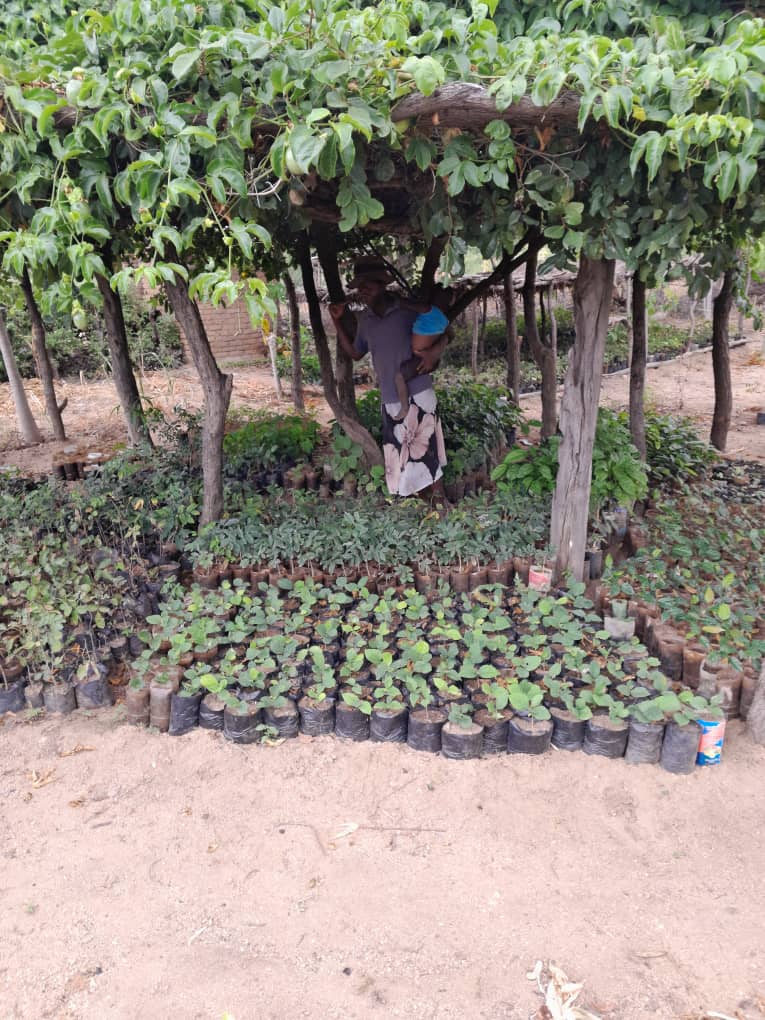
Tree nursery and land restoration seedlings for the PORET evaluation

13. End of project evaluation for Healing the land, creating perspectives-sustainable Development of land use in dry regions for food security in Chimanimani project in Zimbabwe, Participatory Organic Research Extension & Training Trust (PORET), 2023.

The aim was to contribute to an improved use of the environment and resources as well as securing the livelihoods of present and future generations. The project is being implemented in 5 wards of Chimanimani being ward 2, 3, 5, 6 and 20 with 24 Villages, reaching out to 400 households (small scale farmers) CPC members.

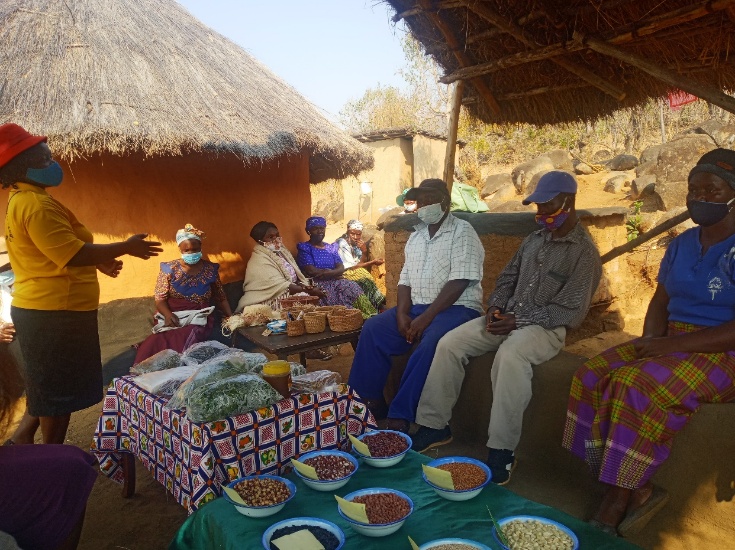
Community discussion with farmers during the TSURO Trust resilience evaluation

14. Evaluation of the project: Socio-Economic Resilience of Smallholder Farmers in Chimanimani District, TSURO Trust, 2021.

The evaluation was expected to track project implementation, assess appropriateness in responding to the identified problem and measure progress towards achieving its objectives. The team leader contributed towards the development of the inception report, data collection and writing the final report. The evaluation findings confirmed that there is a positive change in food security levels for farmers who have implemented the agroecological practices and there is an increase in diversity of crop and animal products produced by farmers who are practicing agroecology.

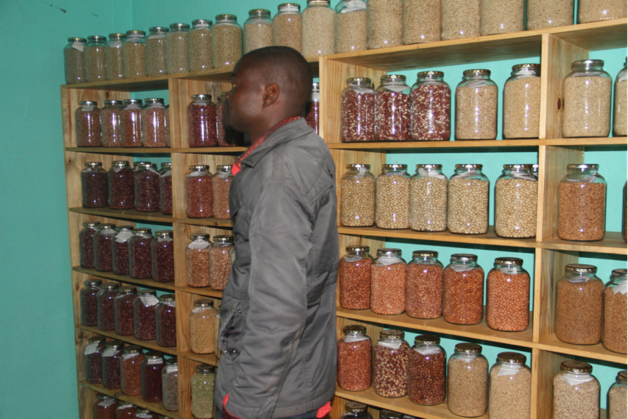
Agroecology seed collection displayed on shelves for the TSASAZ project

15. End of Project Evaluation for a project named Transforming and Strengthening Agricultural Extension Services on Agroecology in Zimbabwe (TSASAZ) Project, Fambidzanai Permaculture Training Centre (FPTC), 2021.

The purpose of the evaluation was to make an overall independent assessment of the successes, challenges, failures and lessons learnt from the TSASAZ project in Chimanimani, Marondera and Bikita districts of Manicaland, Mashonaland East and Masvingo Provinces. The team leader lead the team of 3 experts in writing the inception report, developing data collection tools, field data collection and final report writing. For data collection, we used the KOBO Tool Box.

WhatsApp